
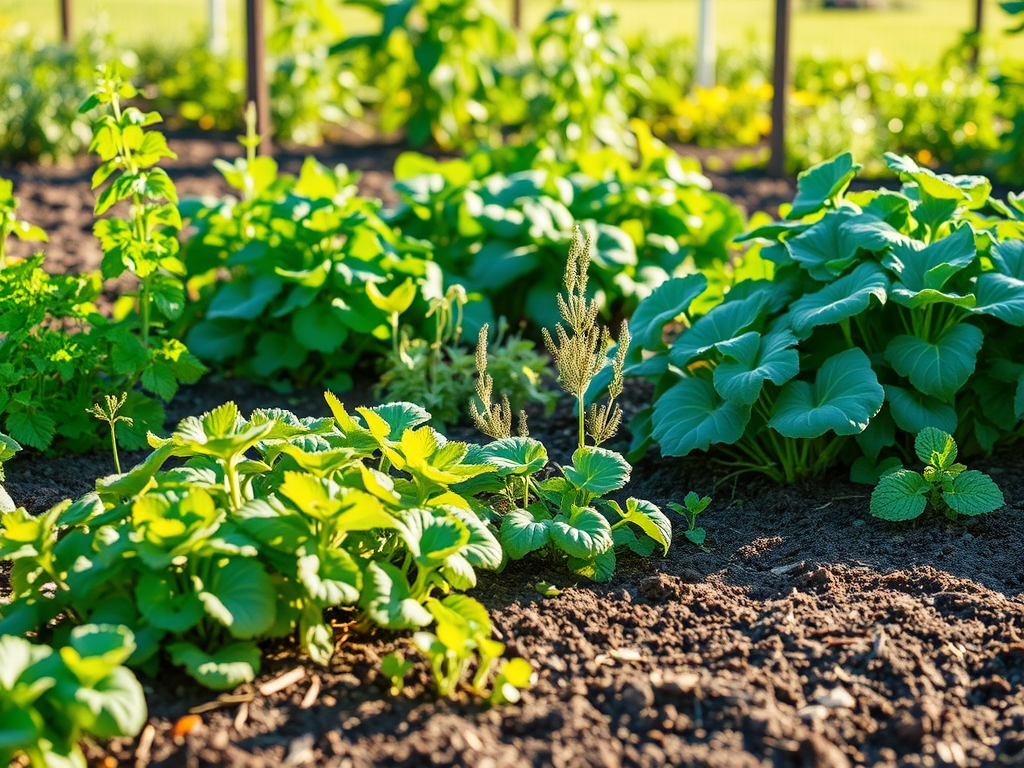
“Natural farming isn’t just a method—it’s a mindset that works with nature, not against it.”
Whether you’re tending a backyard plot or managing acres, natural farming offers a resilient, low-cost path to rich soils, robust yields, and long-term environmental health. In this comprehensive guide, we’ll explore:
- What Is Natural Farming?
- Core Principles & Benefits
- Five Foundational Techniques
- Case Study: A Zero-Budget Farmer’s Success
- 7-Step Action Plan to Start Today
- Resources & Community
1. What Is Natural Farming?
Natural farming—sometimes called “do-nothing farming” or the “Masanobu Fukuoka method”—eschews synthetic fertilizers, pesticides, and intensive tillage. Instead, it relies on ecological balance, minimal soil disturbance, and timely plant combinations to promote fertility and pest control.
2. Core Principles & Benefits (SEO: principles of natural farming)
| Principle | Description | Key Benefit |
| No Tillage | Avoid plowing to preserve soil structure and microbes. | Builds organic matter; prevents erosion |
| Permanent Mulch | Keep soil covered with straw, leaves, or living groundcovers. | Conserves moisture; suppresses weeds |
| Diverse Cropping | Plant mixed species and intercropping patterns. | Natural pest control; balanced nutrients |
| No Chemicals | Eliminate synthetic fertilizers, herbicides, and pesticides. | Healthier produce; protects biodiversity |
| Observational Timing | Plant and harvest by moon phase, weather, and soil cues. | Better germination and resilience |
Benefits of Natural Farming
- Lower input costs: Save on seeds, fertilizers, and machinery.
- Enhanced resilience: Soils rich in organic matter bounce back from droughts and heavy rains.
- Improved nutrition: Fruits and vegetables often have higher micronutrient levels.
- Climate mitigation: Carbon sequestered in healthy soils helps offset emissions.
3. Five Foundational Techniques
A. Zero Tillage
- What to do: Plant directly into unturned soil using a dibble or no-till seeder.
- Why it works: Preserves fungal networks and soil pores that retain water.
B. Permanent Mulch & Living Covers
- Material: Use rice straw, fallen leaves, or cover crops like clover.
- Outcome: Soil stays cool, moisture is locked in, and weeds are smothered naturally.
C. Intercropping & Companion Planting
- Examples:
- Maize + Cowpea: Cowpea fixes nitrogen for maize.
- Tomato + Basil: Basil repels tomato hornworms.
- Result: Diversified nutrients and fewer pest outbreaks.
D. Natural Fertility Inputs
- On-farm resources: Compost tea from farm waste, vermicompost, fermented plant extracts (e.g., neem, ginger).
- Application: Foliar sprays or soil drenches to boost microbial activity.
E. Observational Timing & Minimal Intervention
- Lunar calendar: Sow root crops during the waning moon for stronger root development.
- Weather cues: Delay planting if heavy rains are forecast to prevent seed wash-out.

4. Case Study: Zero-Budget Farmer in Andhra Pradesh
Background:
Mr. Ramesh, a smallholder in Guntur District, transitioned in 2018 from chemical-intensive rice monoculture to natural farming.
Approach:
- Stopped plowing his paddy fields; kept straw mulched after harvest.
- Introduced sesame and green gram as intercrops.
- Applied vermicompost and fermented panchagavya tea fortnightly.
Results (Year 1 vs. Year 2):
| Metric | Year 1 (Conventional) | Year 2 (Natural) | Change |
| Input Costs (₹/acre) | ₹12,000 | ₹3,000 | –75% |
| Yield (kg/acre) | 4,200 | 4,500 | +7% |
| Soil Organic Matter (%) | 1.2 | 2.5 | +108% |
| Net Profit (₹/acre) | ₹8,000 | ₹15,000 | +88% |
Takeaway: Natural farming cut costs, improved soil health, and boosted profits—demonstrating its viability for smallholders.
5. 7-Step Action Plan to Start Natural Farming
| Step | Action | Timing |
| 1 | Choose your plot: Test soil pH and texture. | Week 1 |
| 2 | Design crop mix: Select at least 3 complementary species. | Week 2 |
| 3 | Mulch source: Secure straw, leaves, or cover-crop seeds. | Week 3 |
| 4 | Prepare inputs: Set up compost/vermibeds and ferment extracts. | Week 4 |
| 5 | Direct sow: Use zero-till method for seed placement. | Week 5 |
| 6 | Implement mulch: Cover soil immediately after sowing. | Week 5 |
| 7 | Monitor & adjust: Record growth, pest signs, and weather. | Ongoing |
6. Resources & Community
- Books & Manuals:
- “One-Straw Revolution” by Masanobu Fukuoka
- “Natural Farming: The Soil & Health Paradigm” by [Dr. Ramesh Kumar]
- Online Forums & Groups:
- WhatsApp “Zero-Budget Natural Farming India”
- Facebook Groups: “Natural Farming Network”
- Workshops & Training:
- Local Krishi Vigyan Kendras (KVKs)
- Online courses on Udemy and Coursera
Conclusion & Call to Action
Natural farming offers a low-cost, ecologically sound, and profitable alternative to conventional agriculture. By embracing zero tillage, permanent mulch, diverse cropping, and observational timing, you’ll build soils that sustain crops—and communities—for generations.

Leave a Reply